Whether you’re cleaning production equipment, prepping surfaces for coating, or restoring corroded infrastructure, choosing the right blasting method matters. At SubZero Blasting, we specialize in both sandblasting and Dry Ice Blasting — and while both are powerful, they serve very different purposes.
Below is a technical breakdown to help you determine which solution fits your project best.
Sandblasting: High-Impact Abrasive Cleaning
Sandblasting (also known as abrasive blasting) uses compressed air to propel a gritty media such as crushed glass, garnet, or aluminum oxide at high speeds. The media physically scrapes away surface contaminants, rust, scale, or paint.
This process is highly abrasive and is used when you need to strip a surface down aggressively or create a specific surface profile for coating adhesion.
Best applications:
- Heavy rust or corrosion removal on steel
- Stripping thick coatings or old paint
- Concrete surface profiling
- Prepping metal for welding or painting
Because of its abrasive nature, sandblasting alters the surface, which is great for adhesion — but not suitable for delicate materials or components.
Dry Ice Blasting: Clean, Non-Abrasive, and Residue-Free
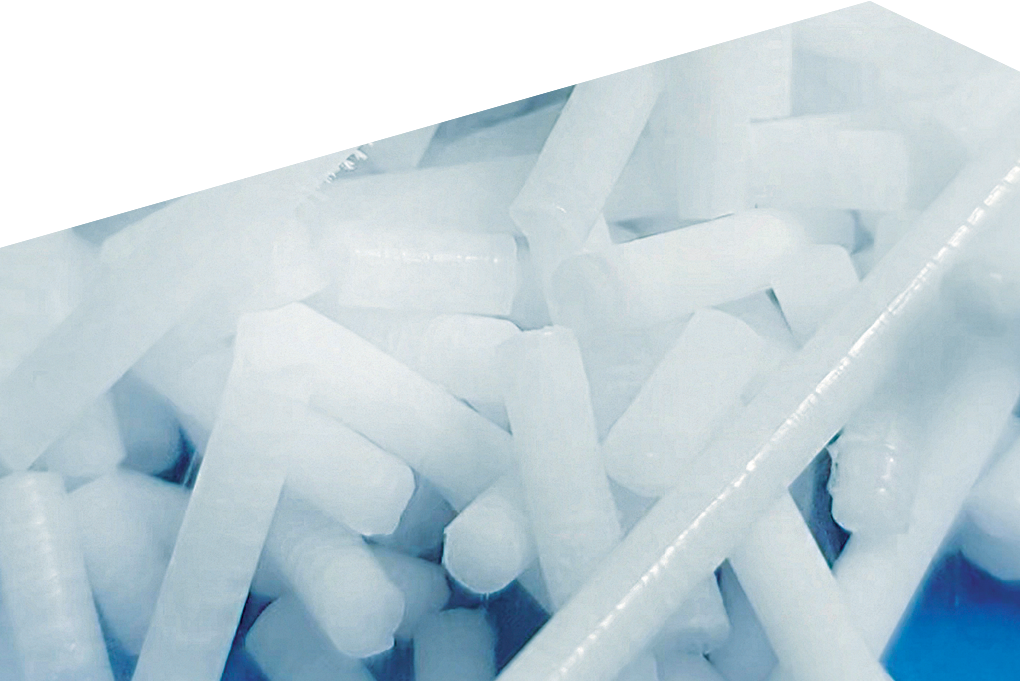
Dry Ice Blasting uses solid CO₂ pellets that hit the surface at high speed and immediately sublimate (turn from solid to gas) on contact. Instead of grinding away the surface, dry ice blasting relies on thermal shock and mini-explosions from sublimation to lift contaminants off.
This process is non-abrasive, leaves no secondary waste, and is dry — , making it ideal for sensitive environments or components.
Best applications:
- Electrical panels, motors, and control systems
- Food and beverage processing equipment
- Cleaning delicate or non-metal surfaces
- Fire/smoke damage restoration
Dry Ice Blasting is especially effective when traditional methods would cause damage, introduce moisture, or leave behind residue that could interfere with operation.
Surface Integrity: Alter vs. Preserve
If you need to remove material or etch a surface for bonding, sandblasting is the clear choice. It’s designed to modify the substrate by creating a texture or “anchor profile.”
If you need to preserve the surface, Dry Ice Blasting is ideal. It removes contaminants without damaging or changing the material underneath. Even soft plastics, wiring, insulation, and seals come out of the process unharmed..
Cleanup: Heavy vs. Minimal
Sandblasting creates significant cleanup requirements. You’ll need to contain, collect, and properly dispose of the spent abrasive, and nearby areas must often be masked off or shut down to prevent contamination.
Dry Ice Blasting simplifies cleanup dramatically. Since the CO₂ pellets evaporate, the only cleanup required is the debris from whatever was removed — no grit, no media, no water.
Environment & Safety
Dry Ice Blasting is non-toxic, non-conductive, and compliant with FDA, USDA, and EPA standards. It produces no hazardous waste, and because it uses recycled CO₂, it has a low environmental footprint.
Sandblasting involves higher levels of dust and debris and often requires full personal protective equipment (PPE), ventilation systems, and containment. Silica-based media carry additional respiratory risks and must be handled within strict adherence to any and all relevant safety protocols.
Downtime and Equipment Access
Dry Ice Blasting allows you to clean in place — equipment can often remain partially or fully operational during the process. There’s no drying time and no dismantling required.
Sandblasting typically requires full shutdowns, dismantling of components, and extended downtime for containment, blasting, and cleanup. For critical systems, this downtime can significantly affect production.
Cost and Efficiency
Sandblasting may seem cheaper per hour, but hidden costs add up quickly — including media disposal, extended cleanup, and downtime.
Dry Ice Blasting may come at a higher hourly rate, but it often reduces total project cost through faster turnaround, less labour, and minimal disruption to operations.
Which Should You Choose?
Choose sandblasting if:
- You need to remove heavy corrosion or thick coatings
- The surface needs to be profiled or etched
- The material is strong and not sensitive to abrasion
Choose Dry Ice Blasting if:
- You’re working in a food, electrical, or sensitive environment
- You want a residue-free, moisture-free process
- You need minimal downtime and cleanup
Still Not Sure? Let Us Help.
At SubZero Blasting, we’re not here to sell you one method — we’re here to recommend what’s truly best for your project. Our technicians are trained in both abrasive and non-abrasive methods and will assess your materials, setting, and project goals before recommending a solution.
📞 Contact us today for a site visit or custom quote.
🧊 Proud to be the first Canadian exclusive distributor of ASCO Dry Ice Blasting Equipment.